Google answered the question before anyone clicked. That is what zero click search means: the results page itself resolves the query, via featured snippets, People Also Ask boxes, knowledge panels or AI Overviews, and no website visit happens.
If you’ve been asking what is zero click search or what is SERP, this is the short answer: the results page is now the destination, not just the doorway.
That does not mean your brand disappeared. It means you showed up at the exact moment someone was looking, and no click followed.
The harder problem is proving that to a CEO who only cares about sales, especially when Search Console, Google Analytics and AI tools each tell a different piece of the story.
As zero click searches push more discovery into answer-led interfaces, AI search marketing Brisbane reflects a local market grappling with the same measurement gap businesses face everywhere.
CMAX has a dedicated breakdown of how zero click search works across Google and AI, and how to measure the exposure you can ACT on.
Zero click search changes visits without removing visibility.
What zero click search includes.
Featured snippets settle a factual question in a single block. People Also Ask boxes surface related questions before a user decides to dig deeper.
AI Overviews, as part of the broader Google AI Search engine experience, give users the gist of a topic with supporting links available if they want more. Each of these answers a query on the page itself.
No click required.
Visibility still has marketing value.
A zero-click result can reduce visits, but it puts your brand in front of a person at the exact moment they’re looking. A Google knowledge panel can confirm your brand’s identity directly in Google, contributing exposure without an attributable website session.
That exposure drives discovery, assisted recall, branded follow-up searches and visits that arrive later through another channel. Treat zero click as an exposure problem first, and a visits problem second.
The main answer surfaces each count in different ways.
SERP features reduce the need to click.
Different SERP features resolve intent at different depths, and SERP features meaning varies by type. A featured snippet settles a factual question.
A local pack answers a nearby, ready-to-ACT search. A knowledge panel confirms the right brand.
Google says AI Overviews are designed to help people grasp a topic faster before deciding whether to click, with relevant links surfaced alongside those summaries.
Each answer surface needs its own click through rate assessment, because an impression, a click and a conversion reveal different parts of your exposure. An AI search optimisation agency can map each surface to its available impression, click and conversion signals.
Search Console and analytics tell different stories.
For AI search engine optimisation, Search Console is the clearest place to start. It shows which queries your site appears for, how often those pages are seen and how often they’re clicked.
Understanding how does SEO work on Google begins with pages that are indexable, answers that are relevant and internal links that help Google’s software find related content.
Here is where the measurement gets genuinely confusing. Think of a hotel concierge who gives guests directions verbally: the guest reaches the destination, the street exists, but no map was handed over and no record was kept.
Direct visits in Google Analytics works the same way. Some of those visits came from AI tools that don’t pass referrer data, so they land in your direct channel and AI’s contribution looks smaller than it is.
Not every direct visit is an AI visit, but the figure is almost certainly undercounted. The label went missing, not the visit.
A practical answer to what are SEO keywords starts with the specific questions reported in Search Console rather than a short list of head terms.
CMAX helps measure exposure and improve coverage.
CMAX measures long-tail exposure.
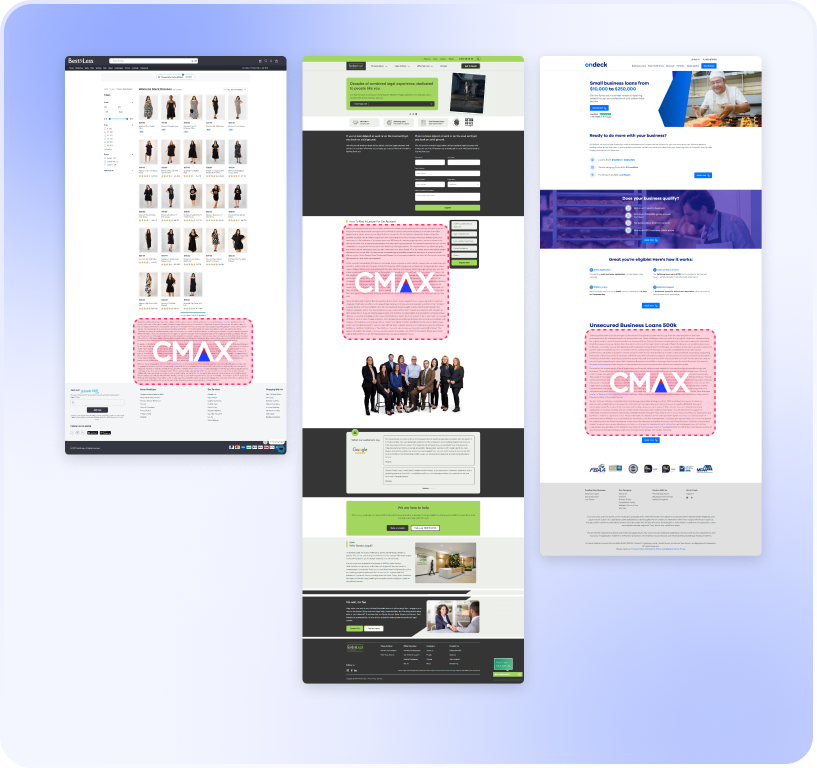
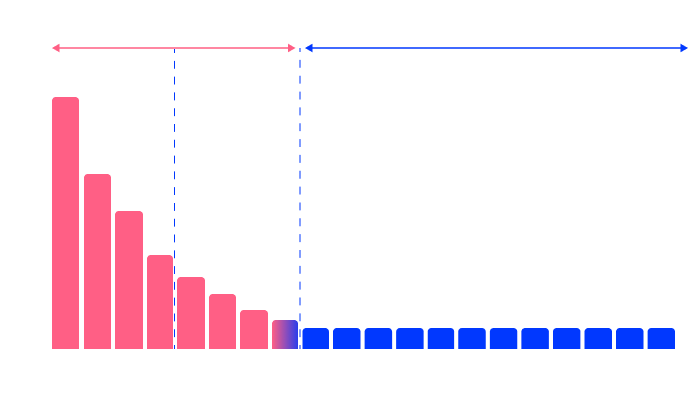
Over 90% of search and AI demand is in the long tail, the specific, detailed queries people actually type. CMAX is the Agentic SEO Platform built around that fact, identifying where a site is missing useful answers across the thousands of questions and comparisons customers use.
CMAX measures zero click search through long-tail impressions and clicks reported in Search Console.
CMAX supports featured snippets SEO with answer-first content that expands coverage beyond a handful of head terms.
Coverage, freshness and linking improve visibility.
CMAX approaches how to SEO for Google AI Overview through the same foundational practices Google confirms: keep pages indexable, make content easy to find through internal links and stay eligible for snippets. Answer-first pages improve eligibility for answer surfaces.
Freshness keeps content aligned with changing searches and product ranges. Dynamic Internal Linking helps Google and users move between related pages on a topic.
Search Console then shows whether broader coverage is lifting impressions, clicks and the mix of queries your site appears for over time. Unlike an attributable website visit, a zero click result can produce a Search Console impression with no corresponding analytics session.
Measuring search visibility means tracking both.
CMAX is trained on human-reviewed, client-approved content, which is why its pages stay useful rather than generic.
Most SEO programmes run by conventional agencies, using outdated methods, tell clients to expect results in six months. CMAX’s methods allow clients to start seeing clicks in 6 to 8 weeks.
Frequently Asked Questions
Are zero-click searches more common on mobile?
They often feel more common on mobile because a smaller screen gives answer boxes, local packs and AI summaries more visible space before standard organic links appear. Compare mobile and desktop impressions, clicks and click through rate in Search Console by query type, then check where mobile visibility is pulling attention without a click.
The answer to what is a good click through rate depends on device, query type and which result feature is occupying the screen.
Do voice searches count as zero-click searches?
Voice searches count as zero click when the assistant reads an answer aloud and the user does not visit a website. Effective people also ask SEO gives Google a concise answer to each specific question while preserving enough depth for a useful page.
When a spoken query resolves within AI search engines, your content can still shape the answer even though no attributable session appears in analytics.
Does zero-click search affect paid ads?
It can. When Google answers informational queries directly, fewer people continue to a paid landing page.
Ads can still show for commercial intent, branded searches and local action queries where the user is comparing options or ready to convert. Commercial ads may still earn visits, but direct answers can make zero click search the final stage of an informational search.
Zero Click Search, Measured Beyond Visits
Zero click search changes the metric mix. What does not change is that your brand has to appear before a click is even possible.
CMAX starts from a simple point: if your brand does not appear across the many specific ways people search, you miss the impression before you miss the click. CMAX provides Google AI SEO services by expanding long-tail coverage through AI search optimisation services, refreshing useful content and connecting related pages across an existing CMS.
CMAX targets the majority of search demand sitting in the long tail, which is where most of the uncontested opportunity sits.
That is why we focus on coverage you do not yet have. Our agentic approach expands useful content across those searches, keeps it fresh and connects related pages so Search Console can show a broader footprint across Google and AI over time.
The quickest way to see where your brand is already visible and where better coverage could lift exposure is a diagnostic review, not a sales conversation.
If you’re curious as to how you’re performing on AI, book in a Missing Customer Map review with our Growth Team.
Author
Jeremy Tang
Founder and CEO of CMAX
Jeremy Tang is the Founder and CEO of CMAX. With over 2 decades of experience in business consulting and digital marketing, he has successfully driven seven startup businesses, six of which achieved $1 million in revenue from zero in less than 16 months, 5 of which grew to multi-million dollar a year ventures without any external funding. Jeremy's expertise lies in streamlining business processes through technology and leveraging digital (in particular SEO) for business growth. He resides in Australia, travels extensively, and draws inspiration from his global experiences.