A search engine optimisation blog answers the specific questions buyers ask before they purchase, then links each answer to a relevant category, product, service or comparison page. Some people use the term for a site that teaches SEO.
Here it means a brand blog built to win searches. Good search engine optimisation techniques start with the questions your category pages can’t answer.
For a retailer, SEO tips for beginners come down to one task: list those questions. A rug category page can’t answer every question a rug buyer types into Google.
That gap is where sales go to a competitor, without leaving a note. We apply AI search engine optimisation to that gap, building posts that target specific searches and link back to your product and category pages.
What a search engine optimisation blog means for your search coverage
SEO blog or blog SEO?
A search engine optimisation blog can mean a blog that teaches SEO, or a business blog built to be found in search. This page covers the second.
Some teams call this work optimising search engines, though the only thing you control is your own pages. Useful SEO tips for blogs start with matching your terminology, and any regulated language, to the country each post addresses.
Google’s own guidance says content should help people first. Content that exists mainly to manipulate search results goes against it.
If you sell across markets, the wording changes even when the customer need stays the same. search engine optimisation consulting Australia work uses different market terminology and meets different regulatory requirements than US campaigns.
Long-tail coverage drives growth
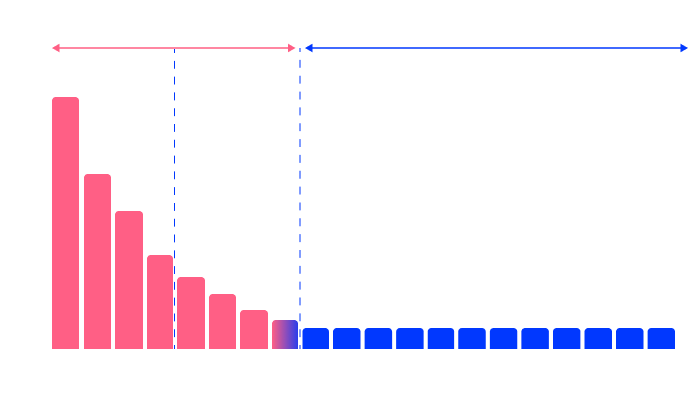
Long tail means the specific searches people actually type, such as “washable wool rug for a living room with kids” rather than “rug”. Picture you own a shoe shop with one sign over the door that says “Shoes”.
A shopper wants wide-fit waterproof walking shoes, finds no shelf labelled for that, and walks to the shop next door that has one. In this context, long tail means the specific searches shoppers make, and your blog means the labelled shelves your category-page sign can’t hold.
A plan for search engine optimisation for my website should map specific needs, constraints, budgets and objections to distinct pages. Those searches reveal what the buyer needs and what holds them back.
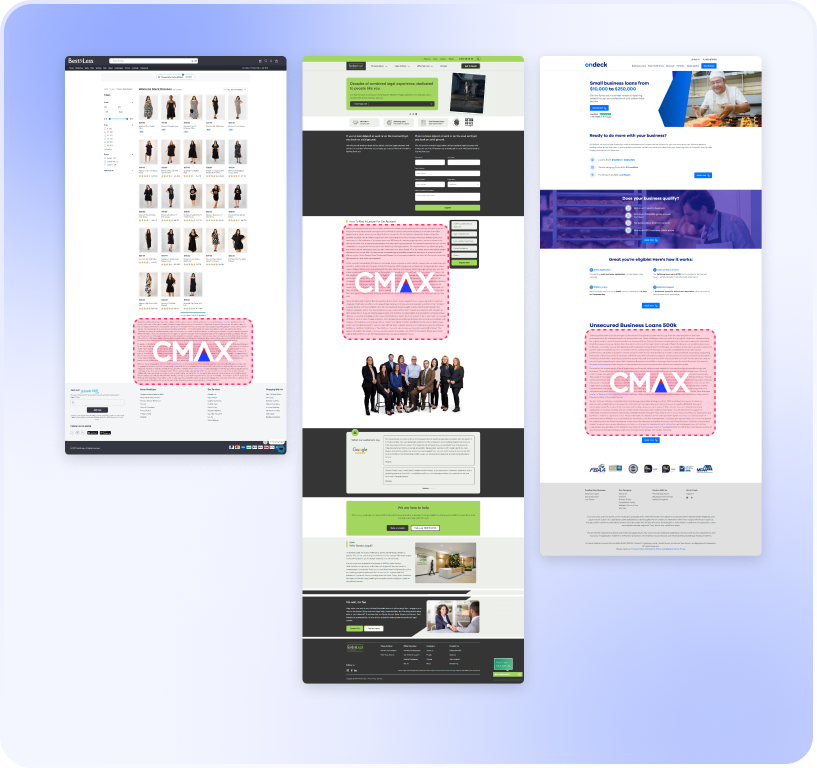
Broad category pages can’t carry that detail without becoming unreadable, so the blog covers use cases, comparisons, buying questions, care guides and problem-led searches. If customers search for something and your site has no useful answer, that’s missing content surface area: one more way a buyer can choose another brand.
Why most demand sits in specific searches
What long-tail searches reveal
A useful search engine optimisation definition begins with matching each query and its modifiers to the job a page must do, before you write a word. Actionable ecommerce SEO tips map modifiers such as “best” and “what size” to comparisons and fit checks.
Give each query cluster one clear job, such as a comparison or an objection answer, and a direct path to the most relevant commercial page. Video SEO best practices follow the same logic: one query, one asset, one next step.
Fresh content expands surface area
Each new post earns its place only when it covers a real query cluster your site doesn’t already answer. A credible SEO diy guide makes that check before recommending another post.
Marketplace sellers learn the same lesson from SEO etsy tips: a listing wins when it answers a specific search. Unlike a general company blog, a search engine optimisation blog gives each post one query cluster and a direct path to a commercial page.
Google’s AI Mode now handles nuanced questions that once took several searches. An effective search optimisation strategy therefore adds a new answer, updates an outdated one, or supports a page that already matters commercially.
How CMAX builds blog coverage that stays connected and measurable
Trained content plus linked relevance
CMAX is trained on human-reviewed, client-approved content. That keeps each search engine optimisation blog accurate and aligned with your commercial pages.
Dynamic Internal Linking and Full Body SEO connect each new post to the surrounding pages that matter: categories, products, services, FAQs and existing guides. Google evaluates a post partly by the connected pages around it, so an orphan page in the CMS is a weaker page in the index.
Agentic long-tail coverage at scale
Over 90% of search and AI demand is in the long tail. Sound mobile SEO best practices keep those detailed answers easy to use on a phone, and Dynamic Internal Linking keeps them connected to your products, services and guides.
Programmatic SEO produces pages from templates and leaves them. Unlike static template publishing, an agentic search engine optimisation platform monitors what’s gaining impressions, what’s slipping and where new searches are appearing, then refreshes or replaces content based on performance.
Faster early traction than old playbooks
Most SEO programmes run by conventional agencies, using outdated methods, tell clients to expect results in six months. CMAX’s methods allow clients to start seeing clicks in 6 to 8 weeks.
A search engine optimisation WordPress setup can use Search Console to measure clicks, impressions, CTR, average position and queries, with no CMS migration. The measure that matters is whether you appear for searches you didn’t cover before.
Frequently Asked Questions (FAQ)
How many blog posts should I publish per week for SEO?
There’s no useful universal posting quota. CMAX defines a search engine optimisation blog as structured coverage of meaningful search gaps, rather than a publishing quota of five repetitive weekly posts.
The right cadence depends on how many meaningful search gaps you can cover without dropping quality. One strong post that answers a distinct buying question can outperform five thin posts that repeat the same theme.
Before setting a cadence, teams should define search engine optimisation around measurable coverage goals. Map the missing query clusters, confirm no existing page already covers them, and decide where each post links next.
Then set your schedule.
How often should I update old blog posts for SEO?
Review high-value posts monthly and the rest quarterly. Reliable SEO best practices 2026 put high-value posts on a monthly review and everything else on a quarterly check for declining clicks, impressions or relevance.
Update when the topic has shifted, when competitors have stronger answers, or when Search Console shows falling clicks or impressions for queries that still matter.
Content decay happens when a page no longer matches what searchers want, what Google rewards or what the business now sells. Regular updates keep a search engine optimisation blog matched to the searches that matter.
Can short blog posts rank, or do they need to be long-form?
Short posts can rank if they answer the query completely. Strong ecommerce SEO best practices use concise answers for narrow questions and long-form guides for comparisons with several buying objections.
Google states content length alone doesn’t affect ranking. There’s no minimum or maximum word count.
Use long-form for complex comparisons and buying guides. Use short-form for definitions, direct answers and narrow questions.
The standard is a complete answer to the search.
Search Engine Optimisation Blog Starts With Coverage Gaps
A search engine optimisation blog works when it covers the specific searches broad category pages can’t answer. CMAX is built around that idea: if customers search for something you sell and your site has no useful page for it, that is missing coverage.
As a search engine optimisation business, we build connected long-tail coverage from approved brand assets and update it using performance data.
Through artificial intelligence search engine optimisation, our Agentic SEO Platform helps brands expand that content surface area with pages that stay connected to relevant commercial content and update as demand changes. That fits how search and AI behave now: visibility comes from useful answers across the long tail, with no reliance on a small set of obvious terms.
The best search engine optimisation starts with a list of searches you can’t yet answer.
A Missing Customer Map shows which of those searches your site has no answer for today. It’s a quick way to see where you stand before you commission another post.
If you’re curious as to how you’re performing on AI, book in a Missing Customer Map review with our Growth Team.
Author
Jeremy Tang
Founder and CEO of CMAX
Jeremy Tang is the Founder and CEO of CMAX. With over 2 decades of experience in business consulting and digital marketing, he has successfully driven seven startup businesses, six of which achieved $1 million in revenue from zero in less than 16 months, 5 of which grew to multi-million dollar a year ventures without any external funding. Jeremy's expertise lies in streamlining business processes through technology and leveraging digital (in particular SEO) for business growth. He resides in Australia, travels extensively, and draws inspiration from his global experiences.