International SEO starts with local intent, not translation
What is international SEO, practically speaking? It is the discipline of matching your pages to what buyers in each country actually type, not what head office calls the product.
One market searches by product type. Another searches by local regulation. A third searches by city name. International SEO marketing accounts for those differences rather than copying the same wording into a new language.
A direct translation can read perfectly and still miss the queries that drive sales.
Whether you’re looking for international SEO agencies or looking for something as local as SEO services Canberra, visibility is more important than ever.
New queries every single day
Google sees roughly 15% new search queries every single day. That means even a page that launched perfectly in a new market starts drifting out of alignment almost immediately, because the phrases buyers type keep shifting whether you update the page or not.
That gap shows up fastest in global retail. The same product gets searched a dozen different ways across a dozen countries, and the wording keeps changing after the market goes live.
Correct language can still miss queries
Think of it like a restaurant menu translated word-for-word into another language. The words are accurate, but if locals call the dish something else entirely, nobody orders it.
The same principle applies to every country page you publish.
A sound SEO strategy researches local intent market by market, then updates pages as new search phrases emerge. A page targeting a term like SEO agency Canberra faces this pressure at a local level, while targeting a term like international SEO agency has its own challenges, in that international buyers may well search using different words.
At global scale, the problem is the same, just multiplied.
Strong international setups depend on technical precision
Technical signals reduce duplication risk
There is a technical layer that sits beneath content, and it is the part most translation providers skip entirely. International SEO agencies must configure something called hreflang, which tells Google which language or regional version of a page to show to which user.
Without it, Google can treat localised pages as duplicates and split your visibility across markets instead of concentrating it.
Reliable multilingual SEO requires fully qualified URLs, a self-referencing tag, and return links from every alternate page. A missed return link is enough for Google to ignore the whole setup.
These are not optional refinements; they are the load-bearing walls.
Technical setup enables multilingual coverage
An SEO consultant Canberra working on a tightly targeted local market faces a scaled-down version of the same technical demands. At international scale, the configuration work multiplies with every language and every country added.
Our platform pairs local intent research with Dynamic Internal Linking, which connects pages so Google can read relevance the way it is designed to. Each market is built around the phrases buyers actually search, with the page connections in place to support it.
Ongoing coverage keeps visibility growing across markets
Fresh content captures emerging demand
A page that performed well at launch can quietly lose ground within months. New search terms appear, product language shifts, and demand accelerates at different speeds in each market.
A global SEO strategy needs fresh, country-specific pages for detailed modifiers, regulated terminology, and niche use cases that legacy category pages never covered.
Effective international SEO agencies treat expansion as a continuous programme for this reason. The first wave of pages is a starting point.
Agentic updates support long-tail scale
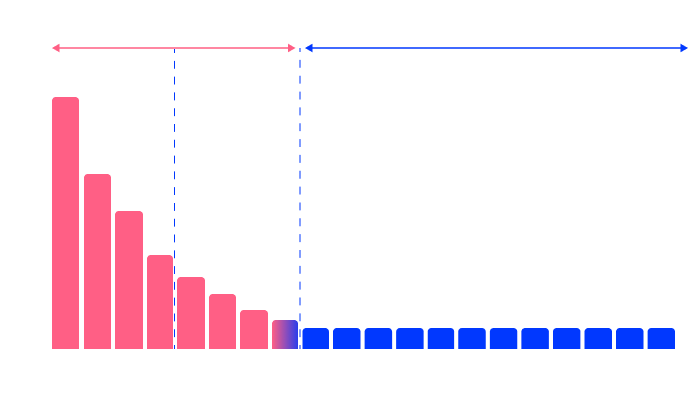
Over 90% of search and AI demand is in the long tail: the specific, detailed searches people type rather than short general terms like “furniture” or “homewares.” Across a large international site, those specific searches number in the thousands per country.
Specialist programmes such as international SEO consultant work illustrate this: one sector, many markets, thousands of distinct queries.
An international SEO strategy should address the long tail so country pages stay aligned with changing local language, new questions, and shifting search behaviour. A manual workflow cannot sustain that at scale.
Frequently Asked Questions
How do I choose which countries to target?
Start with countries where you already have revenue, fulfilment capacity, customer support, or regulatory readiness. Cross-reference that shortlist against local search demand and competition.
Validate the final list using Search Console (Google’s free tool showing which searches your site appears for), your analytics, and in-market keyword research. A smaller market with clearer intent and lower competition can help international SEO services gain traction faster than a high-volume market requiring a full rebuild.
Volume alone is a poor guide.
How do I measure international SEO performance by country?
Measure each country separately. Combine Search Console query and landing-page data with GA4 geography reporting, and review clicks, impressions, positions, engaged sessions, and conversions together.
Following international SEO best practices means asking the sharper question: which country gained visibility, which landing pages carried it, and which queries converted that visibility into revenue. Country-level reporting is the only way to see that.
Do I need to optimise for search engines beyond Google?
Google holds 91.1% of global search share according to Statcounter, so it is the right starting point for global SEO. Bing, Yandex, and Baidu can matter in specific countries or regulated markets.
Check where your demand actually originates before allocating effort beyond Google. The data should lead the decision.
Coverage beats translation
International SEO agencies often stop at language, but an international SEO company still gets judged on whether its pages reflect how buyers in each market actually search.
We built CMAX as the Agentic SEO Platform because even specialised programmes such as SEO for universities still involve thousands of local phrases across countries and languages, and keeping them fresh is not a task a manual workflow can sustain. Our agents research local intent, deploy content built around it, and connect it with Dynamic Internal Linking so Google can read relevance the way it’s designed to.
Then they keep working. Sustainable multilingual website SEO responds as new queries appear, product terminology shifts, and demand moves at different speeds in each market, so pages that launch once and sit still lose ground.
CMAX’s agents check performance and update content on an ongoing basis, so country pages stay aligned with what buyers are searching for now, not what they searched for at launch. That’s the coverage question international expansion actually turns on. If you want country pages that keep pace with local search demand, get in touch with CMAX and see how the platform can support your next market.
Author
Jeremy Tang
Founder and CEO of CMAX
Jeremy Tang is the Founder and CEO of CMAX. With over 2 decades of experience in business consulting and digital marketing, he has successfully driven seven startup businesses, six of which achieved $1 million in revenue from zero in less than 16 months, 5 of which grew to multi-million dollar a year ventures without any external funding. Jeremy's expertise lies in streamlining business processes through technology and leveraging digital (in particular SEO) for business growth. He resides in Australia, travels extensively, and draws inspiration from his global experiences.