Artificial intelligence SEO is still SEO. It applies the same work to more of the searches your customers already type into Google.
Good SEO content writing meets the same standards for Google and AI Overviews: pages Google can find and store, a clear structure and real usefulness. Most teams use AI to write faster or find keywords sooner.
The technical basics still apply, and disciplines such as faceted navigation SEO still matter because pages must be findable by Google, well structured and useful in both standard results and AI Overviews.
Most brands have a coverage gap, and writing faster doesn’t close it. Coverage for generative AI search grows when pages answer specific needs, like a 5-litre cast iron casserole dish that works on induction.
You might rank for “casserole dish” and miss hundreds of searches like “cast iron casserole dish 5 litre induction safe”. Nobody buys a casserole dish by typing “casserole dish” and stopping there.
Think of a street map of Sydney with only the highways drawn. Your customers drive the side streets to reach a car park near your shop, and the highways never take them there.
In this context, long-tail coverage means drawing in the side streets: the specific searches where buyers are closest to your door.
CMAX, the Agentic SEO Platform, is built to close that gap. We publish and maintain the long-tail content that answers more of what customers search, and we keep it connected and current.
Artificial intelligence SEO extends standard SEO
AI improves the SEO workflow
The practical job of artificial intelligence in SEO is to make SEO execution faster and more complete. It finds long-tail queries, maps content gaps, drafts first versions, refreshes stale pages, spots missing internal links and summarises performance patterns.
In SEO machine learning workflows, those patterns guide which long-tail pages to map, which stale pages to refresh and where to add internal links.
In practice, artificial intelligence SEO expands coverage, and the judgement of SEO experts still decides long-tail mapping, refreshes and internal linking. AI doesn’t remove the need for that judgement.
It helps your team cover more of the searches customers already make, and Google confirms that SEO best practices still apply to AI features in Search.
SEO fundamentals still drive AI visibility
Google states there are no additional requirements to appear in AI Overviews or AI Mode. So “What is SEO content writing?” in this setting?
It is writing pages that Google can find, store and show with an eligible snippet.
“What is AI search?” in practice? AI engines retrieve from Google, then build an answer from what they find and can cite.
That is why useful content, clear page structure, internal links, pages Google can crawl and topical breadth still drive visibility.
Conventional AI SEO often stops at tools, while CMAX focuses on coverage, freshness and connected content
Tools alone leave long-tail gaps
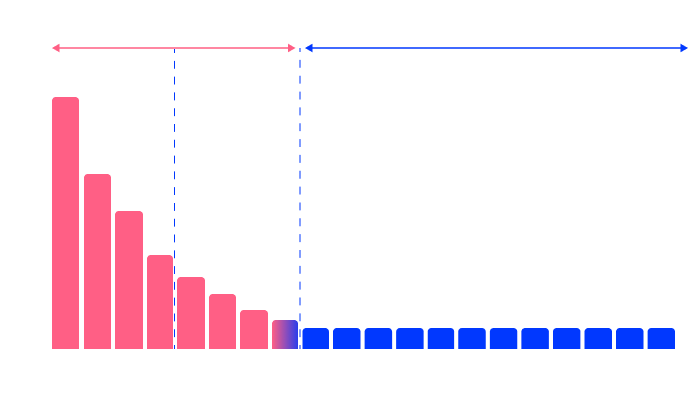
Over 90% of search and AI demand is in the long tail. A narrow artificial intelligence SEO setup can speed up production and still miss detailed searches such as “induction safe cast iron casserole dish” or “non-stick frypan for a family of five”.
Comparing the best AI software on writing speed alone misses this gap, and so does ranking platforms on speed in 2026 roundups.
Many setups pair that speed with a narrow SEO strategy. Those specific searches are where buyers reveal what they can spend and when they need the product.
CMAX scales connected, reviewed content
As an Agentic SEO Platform, we do more than create pages. Unlike many AI writing tools, CMAX is trained on human-reviewed, client-approved content to support Dynamic Internal Linking, Full Body SEO and continuous updates.
Creating pages is the easy part. Search and AI visibility depends on whether those pages stay accurate, current and connected.
Google evaluates pages in context, so isolated pages with weak internal links or outdated information are easier to ignore.
The strongest AI SEO programmes are built around surface area, freshness and revenue reporting
Surface area expands long-tail visibility
Say a shopper asks an AI assistant for “the best non-stick frypan for induction and a family of five”. The assistant runs several smaller Google searches before it builds an answer.
They cover coating durability, heat spread, induction compatibility, cleaning and brand comparisons.
Artificial intelligence SEO connects supporting pages that answer each of those smaller questions, which isolated content automation doesn’t. Google confirms no special markup (called schema) or AI-only files are required for AI features.
The advantage comes from publishing and maintaining a larger, better-connected body of relevant content.
Freshness and measurement shape decisions
Search Console shows which searches your site appears for. It lets your team analyse queries, impressions, clicks and position in Google Search.
Reliable artificial intelligence SEO statistics need context, so read those impressions, clicks and positions alongside assisted revenue and product-page visits.
Strong programmes use that data to decide which pages to update and which long-tail clusters to expand. They also identify which searches generate commercial demand.
That is how an AI answer SEO strategy stays tied to revenue.
Frequently Asked Questions (FAQ)
Does Google penalise AI-generated SEO content?
Google does not penalise content because AI helped create it. Using an AI content writer for SEO to produce helpful, reliable pages under human direction is one practical application of artificial intelligence SEO.
Google looks for helpful, reliable, people-first content. The test is whether a page gives a buyer a specific, accurate answer they can act on.
Can I block AI training bots but still appear in AI search?
In some cases you can separate training from search visibility. OpenAI states a site can allow OAI-SearchBot to appear in ChatGPT search results while disallowing GPTBot to keep content out of generative AI foundation model training.
Any assessment of AI platforms in 2026 should distinguish content optimisation capabilities from controls such as OAI-SearchBot and GPTBot permissions. Treat this as a governance decision: marketing, legal and technology teams should agree the policy before anyone edits robots.txt, the file that tells bots what they may read.
Beyond crawler permissions, knowledge graph SEO can help systems connect an organisation, its products and its subject-matter relationships through consistent entity information. Framing the issue as SEO vs AI overlooks that both depend on consistent information about your organisation, its products and its subject relationships.
Do product reviews affect AI search visibility?
Product reviews strengthen visibility for commercial queries by adding the specific evidence shoppers use to compare options: fit, quality, durability, delivery and repeat purchase intent. Google states more recent reviews are more relevant to shoppers researching a product.
That makes review freshness a practical update signal for any page competing on commercial terms. So artificial intelligence SEO depends on current evidence, including recent reviews that cover fit, quality, durability and delivery.
Artificial Intelligence SEO Starts With Broader Coverage
Artificial intelligence SEO works when it expands how many real searches your site can answer. That is the point we keep coming back to: long-tail searches reveal the specific needs, comparisons and buying intent your customers already express.
CMAX applies generative AI search engine optimisation by expanding long-tail coverage and keeping connected pages current.
We approach artificial intelligence search engine optimisation through content surface area, freshness and connected pages. When search and AI systems pull from the pages Google can find, store and trust, broader coverage gives your brand more chances to appear where buying decisions start.
The quickest way to find your gaps is to look at them. The review shows which searches you already answer and which ones you miss.
If you’re curious as to how you’re performing on AI, book in a Missing Customer Map review with our Growth Team.
Author
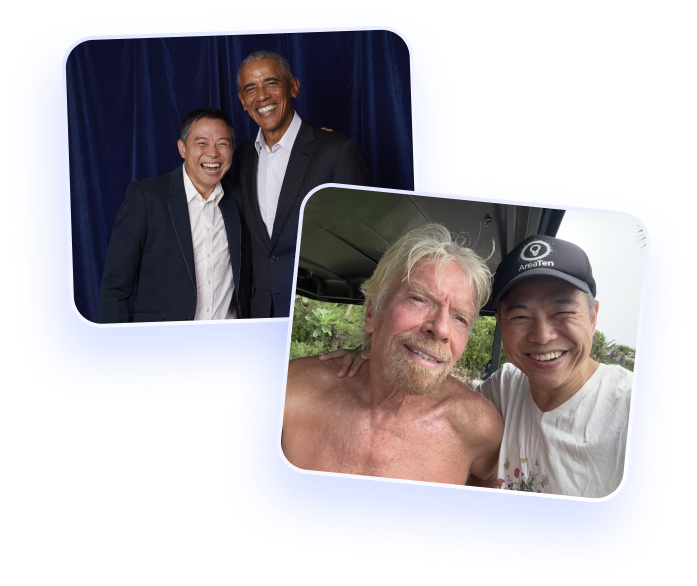
Jeremy Tang
Founder and CEO of CMAX
Jeremy Tang is the Founder and CEO of CMAX. With over 2 decades of experience in business consulting and digital marketing, he has successfully driven seven startup businesses, six of which achieved $1 million in revenue from zero in less than 16 months, 5 of which grew to multi-million dollar a year ventures without any external funding. Jeremy's expertise lies in streamlining business processes through technology and leveraging digital (in particular SEO) for business growth. He resides in Australia, travels extensively, and draws inspiration from his global experiences.