AI search optimisation services cover the searches your main pages miss. Generative engine optimisation means writing pages for the specific, detailed questions your homepage and category pages leave unanswered.
Most demand in your category sits in specific searches. Customers type them when they already know what they want.
AI engines retrieve from Google, and they do it in pieces. Picture a driver asking a mechanic, “Why is my car making a noise?”
The mechanic doesn’t answer in one sentence. They will check the tyres, the brakes, the exhaust and the engine.
The auto shop with one sign saying “Car repairs” gets driven past. In this context, query fan-out means one customer question gets split into several smaller Google searches, and the best page has an answer ready for each smaller check.
A competitor usually beats you because they have a useful page for a search you haven’t answered yet.
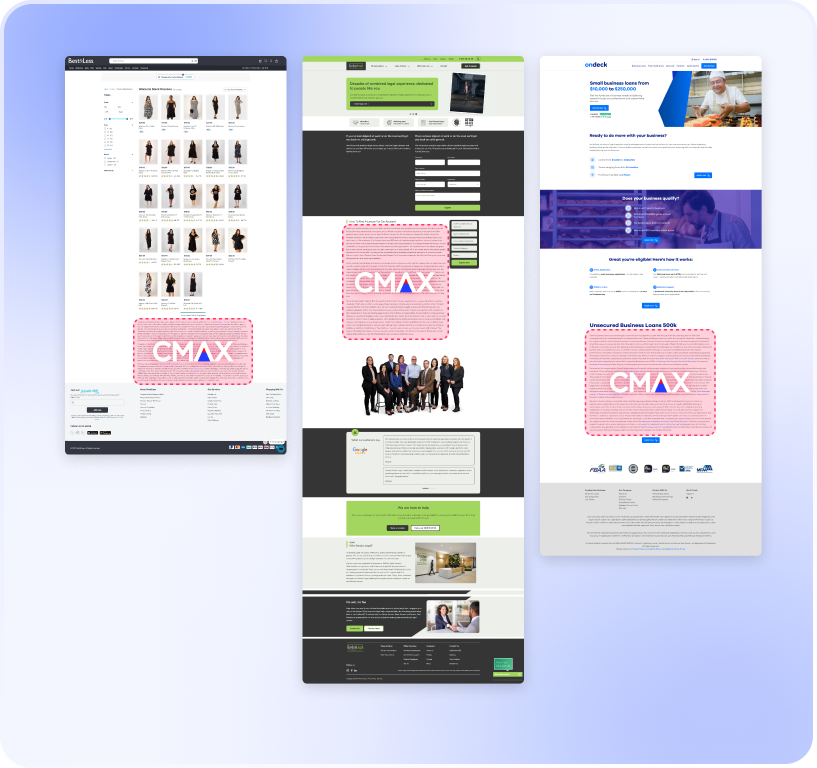
CMAX is the Agentic SEO Platform that addresses that gap. Here, we explains how broad coverage and internal links help brands gain exposure through zero click search as well as conventional results.
AI search optimisation services help you show up across the long tail
Focus on specific searches
Your category pages and homepage cover “sofa.” Long-tail AI search optimisation services cover specific needs, such as a stain resistant sofa for an apartment with a dog.
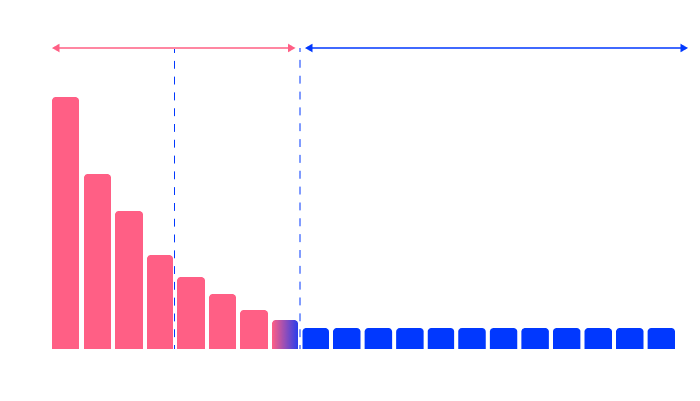
Nobody types “sofa” when they’ve already measured the apartment. Over 90% of search and AI demand is in the long tail, so a service anchored to 20 obvious keywords misses most of the demand it was hired to capture.
Google’s AI features can use query fan-out to build a response from several smaller searches.
Demand also varies by market. AI search marketing Brisbane shows how city-level demand still depends on the same specific searches.
For LLM SEO Australia, CMAX writes in local “optimisation” spelling. Content for the US uses “optimisation,” so answer engine optimisation services pages there follow that spelling.
Build useful coverage
AI search optimisation is SEO applied to AI-driven discovery. You may see it labelled generative engine optimisation GEO, and the work underneath is the same.
If you’re asking what is generative engine optimisation, the practical answer is a service covering strategy, page creation, technical inputs, internal linking, updates and reporting. Google confirms the same foundational best practices apply, with no additional technical requirements to appear in AI Overviews or AI Mode.
The work is expanding content surface area: the number of ways customers search that you have a useful answer for. Prompt tracking tools, software that asks ChatGPT questions and logs whether your brand appears, can signal a gap.
They don’t create the pages, answers or connections that search engines retrieve.
Better visibility comes from content breadth, freshness, and connections
Use fan-out and linking
When an AI tool answers a customer question, the Google AI Search engine runs several smaller Google searches and builds its response from what ranks across them. Connected coverage from AI search optimisation services gives AI engines more relevant pages to retrieve across those supporting searches.
Answer-first pages, such as “best fabric for coastal rental furniture” or “how to choose a modular sofa for a narrow room”, create more entry points than another generic category page. Connected buying guides make LLM SEO more effective by linking specific questions to product ranges.
Google says AI features can surface a wider and more diverse set of supporting pages than classic web search. So connected clusters matter.
A buying guide links to the product range, the range links back, and supporting articles tie in the use cases customers search for. A sound LLM SEO strategy builds those links on purpose.
Keep content fresh
Unlike fixed publishing projects, AI search optimisation services use Search Console and sales signals to find content that needs updating as products and buyer behaviour change.
Teams that optimise content for AI search should ask how you’ll decide what to update next before they ask how many pages you’ll publish. A strong AI search optimisation agency uses Search Console alongside analytics and sales signals to find pages gaining impressions, losing clicks or missing commercial follow-through.
A fixed project that publishes once and stops loses ground as new searches appear.
CMAX turns AI search optimisation into an operating system for growth
Train, expand, control
CMAX applies AI search engine optimisation through the Agentic SEO Platform. CMAX is trained on human-reviewed, client-approved content, so your team scales coverage without handing brand, legal or compliance accuracy to an uncontrolled generator.
It differs from a conventional generative engine optimisation agency through Dynamic Internal Linking and Full Body SEO. Our agents use Dynamic Internal Linking to strengthen page-to-page relationships.
They use Full Body SEO to improve the substance of each page, so the page itself answers the query directly and the metadata is the smaller part. Both run continually across the thousands of ways customers search.
Replace slow SEO cycles
Conventional SEO agencies using outdated methods would tell clients to expect results in six months. CMAX’s methods allow clients to start seeing clicks in 6 to 8 weeks.
Timelines still depend on the site, its competition and how the work is done.
CMAX targets the long tail, where most search demand sits. It keeps analysing performance, updates content, strengthens internal links and ties reporting to sales signals where the data is available.
A one-off content batch leaves pages to age. A continuing cycle is what sets CMAX apart among AI search optimisation services.
Frequently Asked Questions (FAQ)
Can a small website appear in ChatGPT or Perplexity answers?
Smaller sites can earn citations from AI search engines when their pages give clear, useful answers, because domain size alone doesn’t decide inclusion. Clear answers and crawlable pages make answer engine optimisation aeo relevant even for smaller sites.
OpenAI says ChatGPT search is designed to help users discover publishers and websites, providing links to relevant web sources. A smaller site still needs crawlable pages, plain answers and enough topical depth to look credible when an AI system fans out across related searches.
Can anyone guarantee my brand will be recommended in AI search?
Nobody can. Google states there are no special optimisations or extra technical requirements that guarantee appearance in AI features.
Managed work that expands useful coverage without promising inclusion is what AI search optimisation services should mean. A service that promises inclusion oversells a system it doesn’t control.
A credible service delivers more useful coverage, stronger page connections, fresher content and clearer reporting.
Can AI systems read images on webpages, or only the surrounding text?
Both. Google uses alt text, computer vision algorithms and page contents to identify what an image shows.
The question of “What is answer engine optimisation?” extends to images too. Descriptive alt text, accurate captions and nearby copy clarify an image’s subject, and product images matched to the page topic give search engines clearer signals about which search intent the page serves.
AI Search Optimisation Services Start With Long Tail Coverage
AI search optimisation services make more sense when you treat AI visibility as a coverage problem across the searches your main pages miss. For CMAX, generative AI optimisation begins with expanding coverage across the specific questions broad pages leave unanswered.
When one customer question triggers several smaller Google searches, broad pages alone leave gaps.
CMAX is the Agentic SEO Platform built for that. It expands useful content across the many specific ways people search, then keeps those pages fresh and connected to build search visibility across conventional results and AI-generated answers.
A review shows which of those searches your site already answers and which it doesn’t. It’s the quickest way to see your gaps before you decide anything.
If you’re curious as to how you’re performing on AI, book in a Missing Customer Map review with our Growth Team.
Author
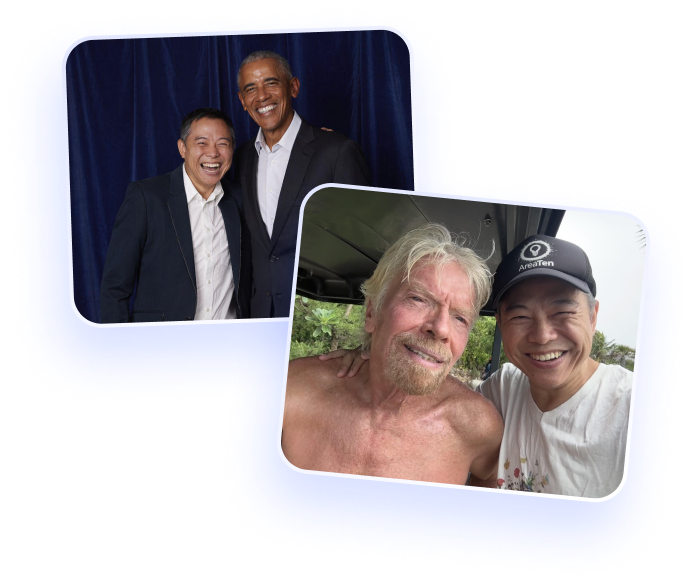
Jeremy Tang
Founder and CEO of CMAX
Jeremy Tang is the Founder and CEO of CMAX. With over 2 decades of experience in business consulting and digital marketing, he has successfully driven seven startup businesses, six of which achieved $1 million in revenue from zero in less than 16 months, 5 of which grew to multi-million dollar a year ventures without any external funding. Jeremy's expertise lies in streamlining business processes through technology and leveraging digital (in particular SEO) for business growth. He resides in Australia, travels extensively, and draws inspiration from his global experiences.