AI engine optimisation is an extension of your existing SEO, not a new invoice line. It means making your pages easier for AI answer systems to retrieve, interpret and quote, on top of the search visibility you already have.
While AI engine optimisation applies across regions, pages such as generative engine optimisation Perth support local relevance. The underlying work is the same: make your core pages easier for answer systems to find and cite.
Google has confirmed no special schema or technical setup is required to appear in AI Overviews or AI Mode. The same accessible, well-structured pages that rank in standard search are the ones AI systems retrieve from.
The real work is improving the pages Google already understands, particularly the specific, detailed searches your buyers type that generic category pages never answer. That is a structural content problem, not a one-off fix.
AI engine optimisation helps brands improve eligibility for AI retrieval without treating it as separate from SEO.
AI retrieval, not separate SEO.
For enterprise brands, AI engine optimisation strengthens pages for retrieval and quotation in AI Overviews while supporting standard search visibility.
Google has confirmed no additional technical requirements or special schema are needed to appear in AI Overviews or AI Mode. AI and SEO depend on the same accessible, well-structured pages.
Effective LLM optimisation starts with improving pages already eligible for Google Search. No special schema, no separate AI text file.
Long-tail coverage matters.
The long tail refers to the specific, detailed searches buyers type rather than short, general terms. Think of it as the difference between a customer walking into a store and asking for “something for the kitchen” versus asking for “a 28cm cast iron skillet that works on induction.”
The second search is ten times easier to answer if you have the right page.
Google has said publicly that 15% of its daily queries have never been searched before. That is why brands need pages covering product, use-case, comparison and problem-specific searches across the full breadth of how buyers look, not just the top-level category terms.
A practical answer to what is generative engine optimisation starts exactly there.
The pages that win are structured for query fan-out, freshness, and clear entity signals.
Structure for query fan-out.
When someone asks an AI tool a question, it runs several smaller Google searches behind the scenes and builds its answer from what it finds. That process, called query fan-out, typically triggers eight to twelve separate searches from a single question.
Strong generative engine optimisation services give retrieval systems clear definitions, comparisons, constraints, setup steps and what to avoid, on pages that are easy to scan and quote. A credible generative engine optimisation agency expands real on-page coverage for those follow-up questions rather than relying on pitch language.
That is how LLM search optimisation is judged in practice.
Freshness and entity clarity.
Techniques that work for aeo AI engine optimisation include fresh copy, clear page structure and internal links connecting each page with nearby topics. Those signals help search systems recognise what a page is about and how it fits into the wider subject area, which is central to GEO generative engine optimisation.
To be cited in AI Overviews or AI Mode, a page must be indexed and eligible to appear with a snippet in Google Search. Stale pages, orphan pages and unclear sections work against retrieval even when the topic is relevant.
Freshness is not optional.
CMAX keeps that content moving with continuously updated on-page coverage.
Built for long-tail coverage.
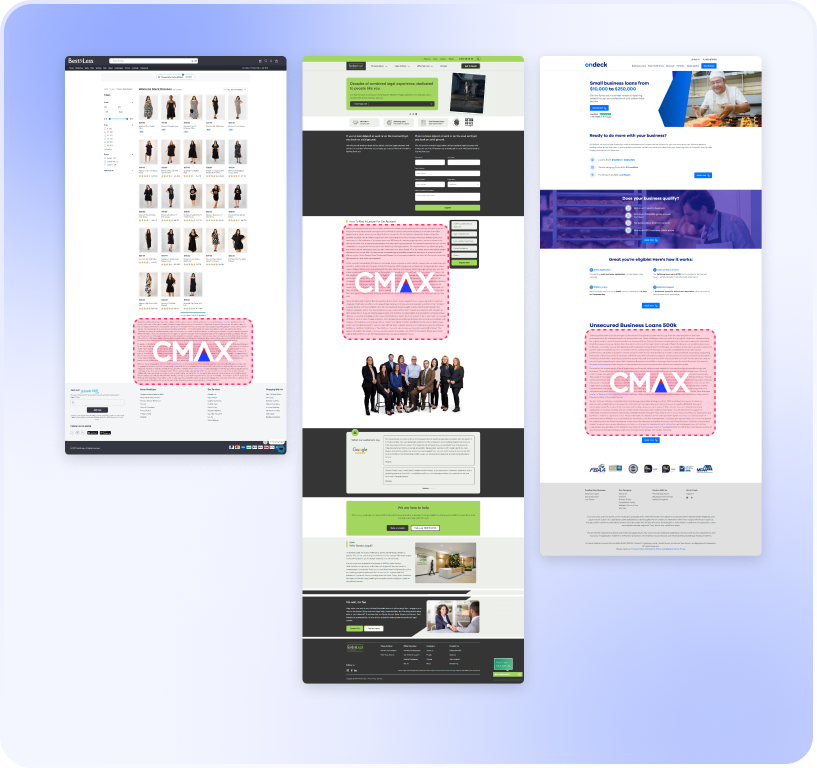
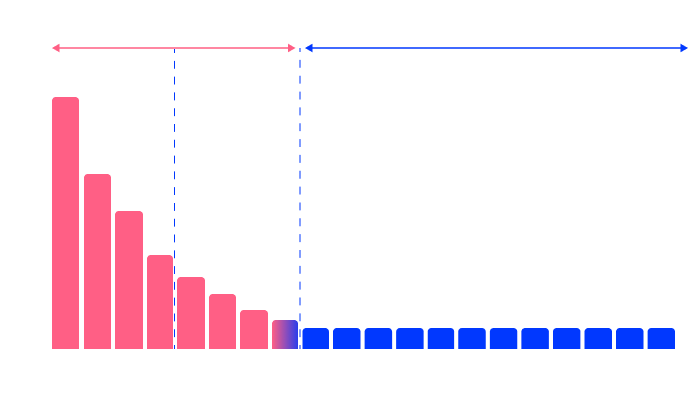
Over 90% of search and AI demand is in the long tail, meaning the specific, detailed searches that never get answered by a homepage or a broad category page. Rather than relying on a one-off publishing sprint, we apply AI search engine optimisation tools and continuously refreshed on-page coverage across those queries.
Brand-trained content with reporting.
At enterprise scale, AI SEO optimisation needs approved brand assets and revenue-linked reporting to keep large content sets accurate and measurable. Our platform generates content trained on your approved brand assets, preventing hallucinations and off-brand output.
We measure performance through Search Console and revenue-linked reporting, not screenshots or prompt tracking alone.
Start with a gap review.
Start with “Show me my long-tail gap” or a Free SEO Fast Track to identify which product areas, use cases and supporting pages are missing. Then prioritise the pages most likely to improve retrieval eligibility.
The same long-tail content model applies when teams build location-specific pages such as answer engine optimisation Brisbane to clarify regional intent without separating it from the wider search strategy.
Frequently Asked Questions (FAQ)
Does Google require special schema markup for AI Overviews?
No. Google has confirmed that standard, well-structured pages are what matter. Structured data can still help Google clarify products, reviews, FAQs and organisation details, but it does not create a separate path into AI results any more than it does for search engine optimisation on its own.
What is answer engine optimisation, then? It is improving content that search and answer systems can retrieve and quote, using the same foundations you already have.
How can I track which pages AI tools cite?
There is no complete citation log across AI tools. Enterprise teams typically combine Search Console page-level trends, manual citation checks and revenue-linked reporting.
Google confirms that AI Overviews and AI Mode activity appears in Search Console’s Performance report under Web search, which gives a stronger baseline than prompt tracking, the practice of repeatedly asking ChatGPT questions to record whether your brand appears. What is search engine optimisation SEO in this context?
It is measurable evidence: page-level trends and revenue-linked results, not vanity screenshots.
Can I control what Google shows from my site in AI Overviews?
Partly. The nosnippet tag prevents page content from being used as a direct input for AI Overviews and AI Mode.
The max-snippet directive limits how much content may be used. The noindex tag removes a page from search results entirely.
At section level, data-nosnippet excludes specific content blocks, giving publishers granular control over pricing, legal copy and sensitive claims. Effective AI engine optimisation still depends on useful, indexable pages that retrieval systems can interpret.
These controls let you define what is off-limits, not replace the need for good content.
Coverage beats cleverness.
CMAX is the Agentic SEO Platform, built on the principle that answer engine optimisation is the same discipline as search with more surface area to cover. Among AI SEO tools, many monitor citations.
We deploy and update content across the long tail continuously, trained on your brand assets so the output holds together at scale.
AI engines retrieve from Google. They break one question into eight to twelve searches and pull answers from what already ranks.
The brands appearing in those answers are not outsmarting the algorithm. They simply have a useful page for more of the ways people ask.
Publishing once is not the same as staying fresh, connected and fit for a search environment that adds new queries every day.
Progress shows in Search Console and revenue-linked reporting. If you want to see where your coverage gap actually sits, AI SEO content generator approaches and monitoring can orient a team, but building real coverage requires consistent on-page work.
Start with a free long-tail gap review.
Author
Jeremy Tang
Founder and CEO of CMAX
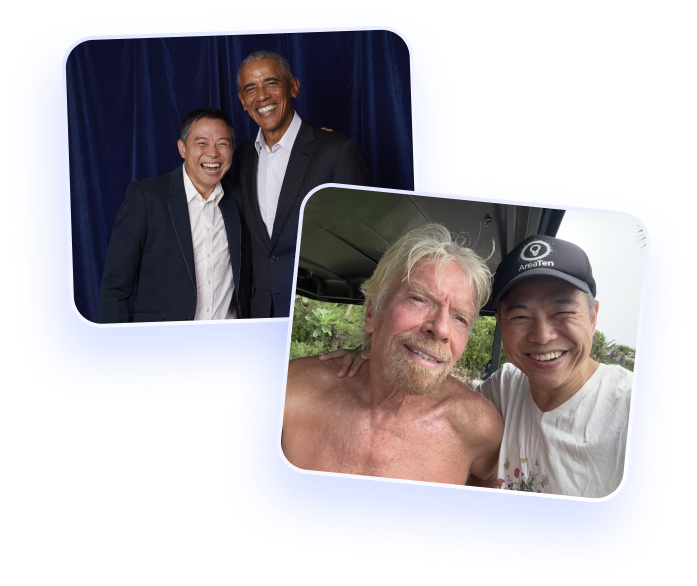
Jeremy Tang is the Founder and CEO of CMAX. With over 2 decades of experience in business consulting and digital marketing, he has successfully driven seven startup businesses, six of which achieved $1 million in revenue from zero in less than 16 months, 5 of which grew to multi-million dollar a year ventures without any external funding. Jeremy's expertise lies in streamlining business processes through technology and leveraging digital (in particular SEO) for business growth. He resides in Australia, travels extensively, and draws inspiration from his global experiences.